
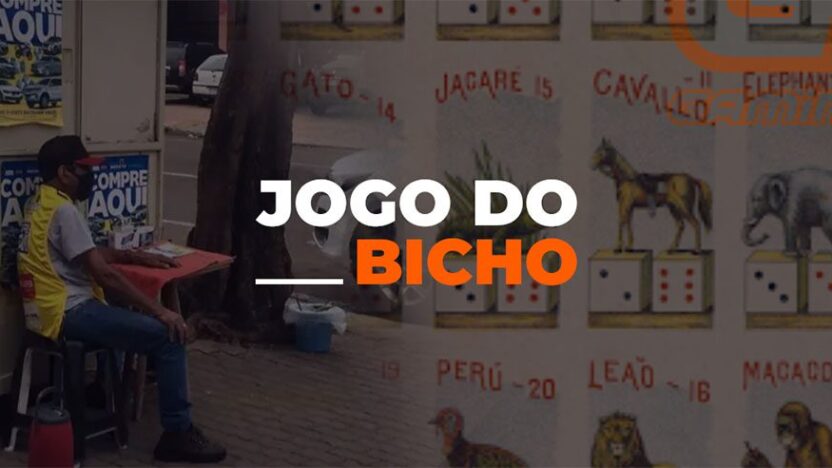
THE Animal Game is a form of unofficial lottery that has a significant place in Brazilian culture. Popularized at the beginning of the 20th century, this betting game not only became a tradition in several regions of the country, but also generated debates about its legality and regulation. In this article, we will explore the history of Jogo do Bicho, its social and cultural impact, and the discussion surrounding its regulation.
History of Jogo do Bicho
The Animal Game was created in 1892in Rio de Janeiro, by businessman João Batista Viana Drummond. Initially, its purpose was to attract visitors to the city’s zoo, where bets were placed on animals represented in figures. Over time, the game became popular and spread throughout Brazil, becoming a common practice in several states.
The Evolution of the Game
With the growth of Jogo do Bicho, different modalities and ways of betting emerged. Each animal corresponds to a number, and participants choose the ones they want to bet on. The game’s simplicity and accessibility contributed to its popularity, turning it into a true cultural tradition.
The Animal Game in Brazilian Culture
The influence of Jogo do Bicho on Brazilian culture is undeniable. It has become a symbol of resistance and creativity, especially in communities where gambling regulation is sparse. The practice transcends the mere activity of betting, reflecting aspects of everyday life, the informal economy and social relations.
The Animal Game and Music
Several Brazilian popular music artists, especially samba and pagode, mention Jogo do Bicho in their compositions. Songs that talk about luck, hope and life in communities often make reference to this game, consolidating its presence in popular culture.
Social and Economic Impact
Although Jogo do Bicho is an unregulated activity, it plays an important economic role, especially in underserved communities. Many people depend on the income generated by this activity, which, although informal, generates a significant amount of money. Furthermore, the game contributes to strengthening social ties, as it is often associated with community meetings and festivities.
The Regulation Controversy
The legality of Jogo do Bicho is a controversial subject in Brazil. Despite its popularity, Brazilian laws prohibit gambling, leading Jogo do Bicho to operate underground. The lack of regulation raises questions about the safety of bettors and the possibility of exploitation by unauthorized operators.
Arguments in Favor of Regulation
- Security: Regulation could offer protection to bettors, ensuring a safe and fair environment.
- Tax Collection: Legalization could generate significant revenue for the government, which could be invested in areas such as health and education.
- Fighting Crime: Regulation could reduce the activities of criminal organizations that exploit gambling illegally.
Arguments Against Regulation
- Cultural Tradition: Many argue that Jogo do Bicho is part of Brazilian culture and its legalization could distort its characteristics.
- Exploration Risk: There is a fear that regulation favors large companies to the detriment of small local operators.
- Social Problems: The legalization of gambling could worsen problems related to addiction and debt among gamblers.
The Future of Jogo do Bicho
The future of Jogo do Bicho in Brazil remains uncertain. The growing discussion about legalization and regulation of gambling in the country can influence the way this cultural tradition is perceived and experienced. Meanwhile, Jogo do Bicho continues to be part of the daily lives of many Brazilians, reflecting its resilience and importance in local culture.
Conclusion
Jogo do Bicho is a cultural phenomenon that goes beyond betting. Its history, evolution and social impact reveal a rich and complex facet of Brazilian life. Although regulation continues to be a debated topic, the tradition of Jogo do Bicho remains alive, involving generations and perpetuating itself as a significant element of Brazilian culture.
Jogo do Bicho is a form of unofficial lottery, where participants bet on numbers corresponding to animals.
Jogo do Bicho appeared in 1892 in Rio de Janeiro, created to attract visitors to the city’s zoo.
No, Jogo do Bicho is considered illegal according to Brazilian legislation, which prohibits gambling.
Although illegal, Jogo do Bicho moves large amounts of money and provides a source of income for many people in needy communities.
Jogo do Bicho is often mentioned in songs and artistic expressions, reflecting aspects of everyday life and Brazilian culture.
Arguments in favor include security for bettors, tax collection and combating crime.
The risks include the exploitation of gamblers, favoring large companies and worsening social problems.
The future of Jogo do Bicho could change depending on discussions about the legalization and regulation of gambling in Brazil.
Yes, Jogo do Bicho is considered an important cultural tradition in Brazil, reflecting the resilience and creativity of the people.
Fonte Gaming365 – Brasil