
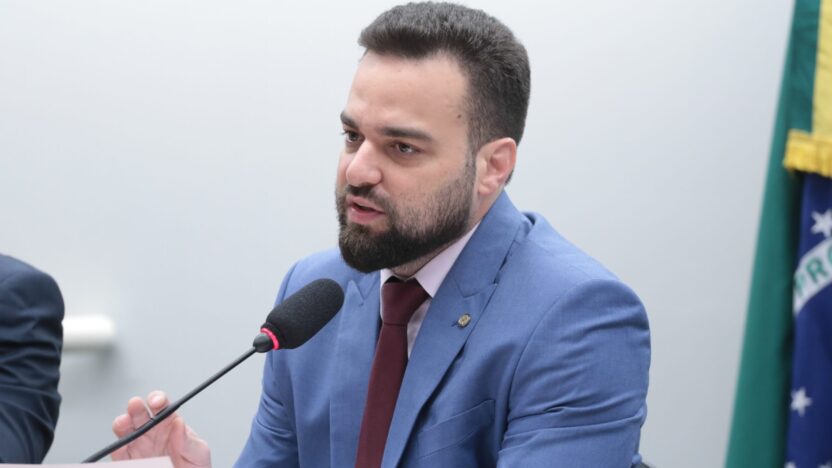
THE Sports Commission of the Chamber of Deputies approved, in December, the report of the Permanent Subcommittee on Sports Betting Regulation which proposes the creation of a bill to guarantee that athletes receive part of the amounts paid by sports betting houses.
According to the approved text, at least 50% of the amount allocated to the use of name and image must be transferred directly to the athletes who participated in the competitions included in the bets. The division will be made proportionally to each athlete’s participation in the event, covering both Brazilian and foreign players who work for clubs and sports entities based in the country.
Payment will be made without intermediation from clubs or federations. According to the proposal, bookmakers must transfer the resources to the category unions, who will have up to 72 hours to transfer the amounts to the athletes. These entities will be responsible for logistics and supervision of distribution.
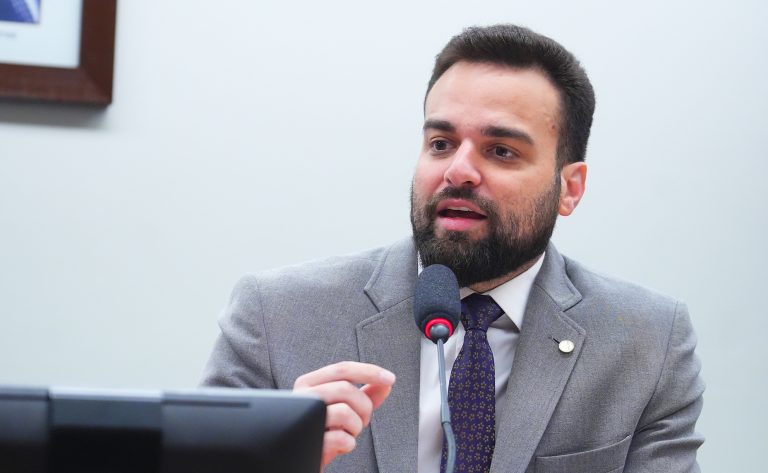
The report, prepared by deputy Caio Vianna (PSD-RJ), is the result of months of public hearings and technical studies on the impact of sports betting on the economy, sport and public health. The parliamentarian highlighted that the measure seeks to correct a gap in the legislation, which currently prevents athletes from effectively receiving compensation for the use of their image in fixed-odd bets.
“The bill intends to remedy the regulatory gap that has been preventing athletes from effectively receiving the compensation provided for by law for the use of their image and other personality rights in fixed-odd bets,” stated the rapporteur.
Vianna also presented proposals aimed at strengthening supervision, preventing fraud and manipulation of results and protecting groups vulnerable to gaming addiction. He defended the use of financial tracking and sports monitoring technologies to ensure more transparency in the sector.
“The debate on topics such as the consolidation of integrated inspection protocols, the use of financial tracking and sports monitoring technologies and the protection of groups vulnerable to gaming addiction are considered a priority”, defended Vianna.
Fonte: Gaming365 – Brasil