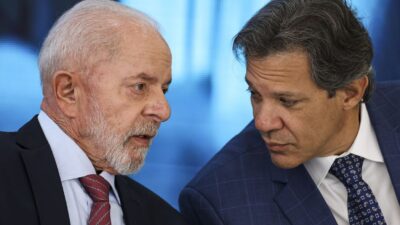

To the bets in Brazil are already regulated by Law No. 14,790/2023approved by the National Congress and sanctioned by Presidency of the Republic. Even so, the sector became the target of a flood of new bills node Federal Senate and in Chamber of Deputies — coming from parties from left to right.
And there is a political factor that weighs in: 2026 is election year. Hitting bets yields easy headlines and quick “popular support”. There is the smell of hypocrisy in the air: the same system that regulated the market now feeds proposals that, in practice, obstruct or make it impossible the activity. It’s the type of issue that works well on a platform — simple to communicate, complex to actually resolve.
What is at stake in practice
The projects target three main fronts:
- Advertising and sponsorships (especially in sport);
- Payment methods (Pix, debit, etc.);
- Age, spending and player exclusion limits.
In theory, the speech is consumer protection. In practice, some proposals directly affect the business model of the regulated market — which opens space for informality and operators outside the law.
Main projects in progress or in the queue
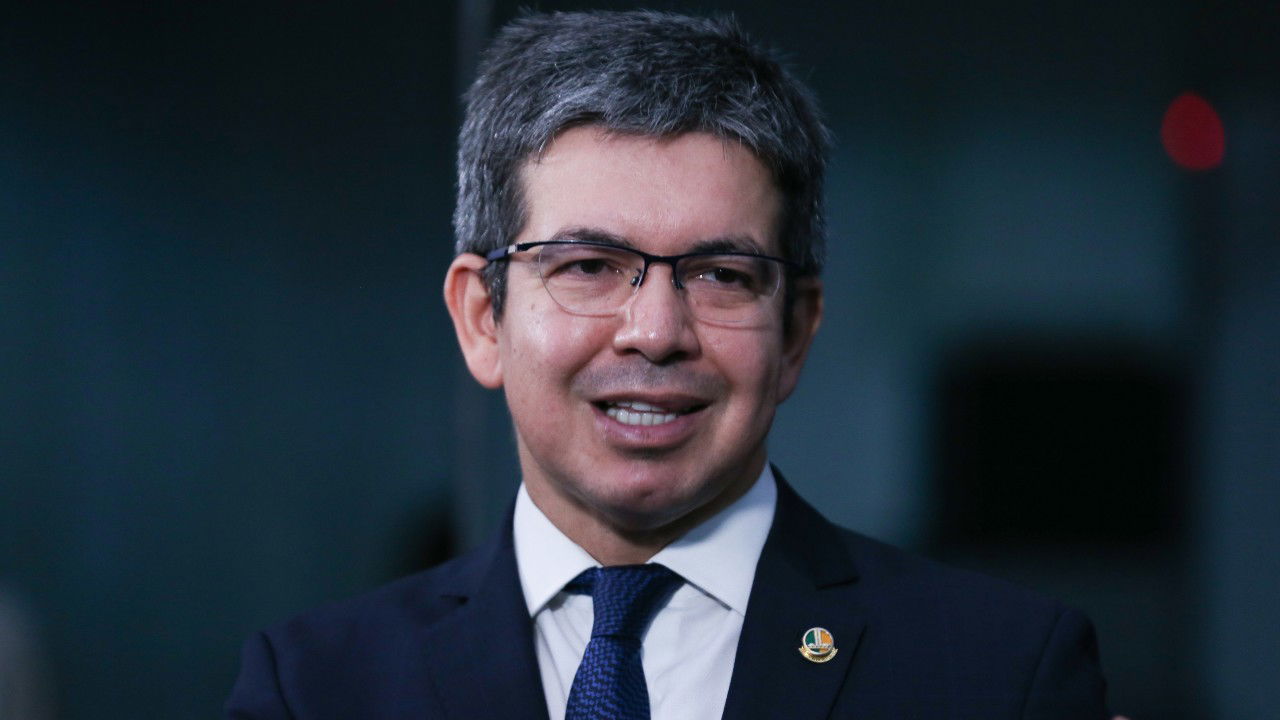
PL 3563/2024 – Advertising and sponsorships in the crosshairs
Proposed by Randolfe Rodrigues and reported by Damares Alvesthe text tries toughen up advertising and even flirted with banning sports sponsorships.
The topic is sensitive: today, most clubs in the Brazilian Championship Series A depends on agreements with bets to close the monthly account. The project can still be merged with other proposals and undergo changes.
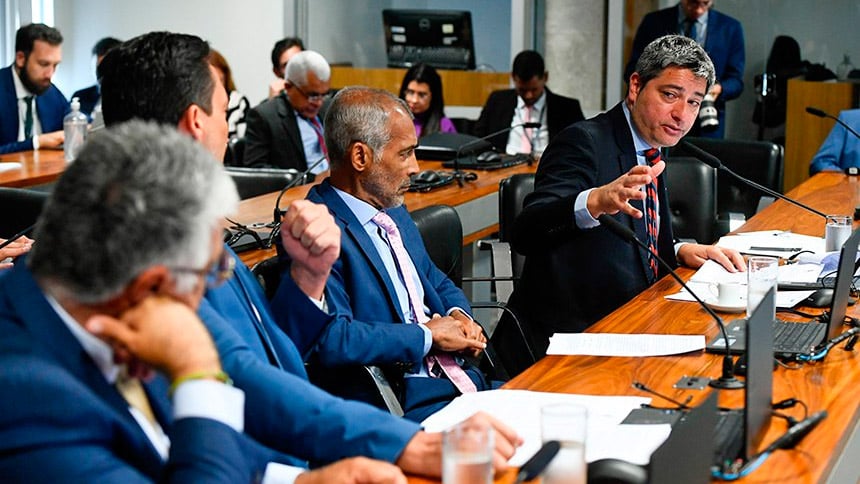
PL 2,985/2023 – Advertising rules (“middle-term” version)
Of Stevenson Valentimwith report of Carlos Portinho.
It went from “prohibit everything” to a more regulatory: limits advertising times and bans influencers/athletes from campaigns, but maintains club sponsorships. It has already passed the Senate and awaits the Chamber.
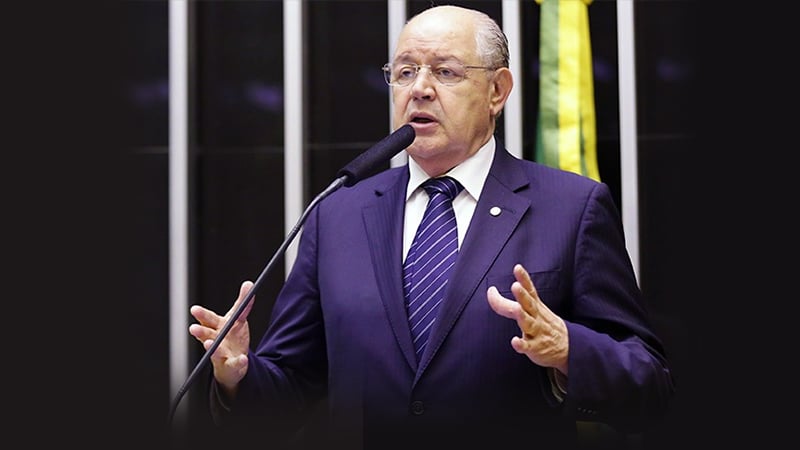
PL 3,717/2024 – Attack on payment methods
From the deputy Luiz Carlos Hauly.
The proposal blocks Pix and debit for online betting. In practice, this makes the legal market unviable (cash is already prohibited). The rapporteur has Márcio Marinhobut the text didn’t work.
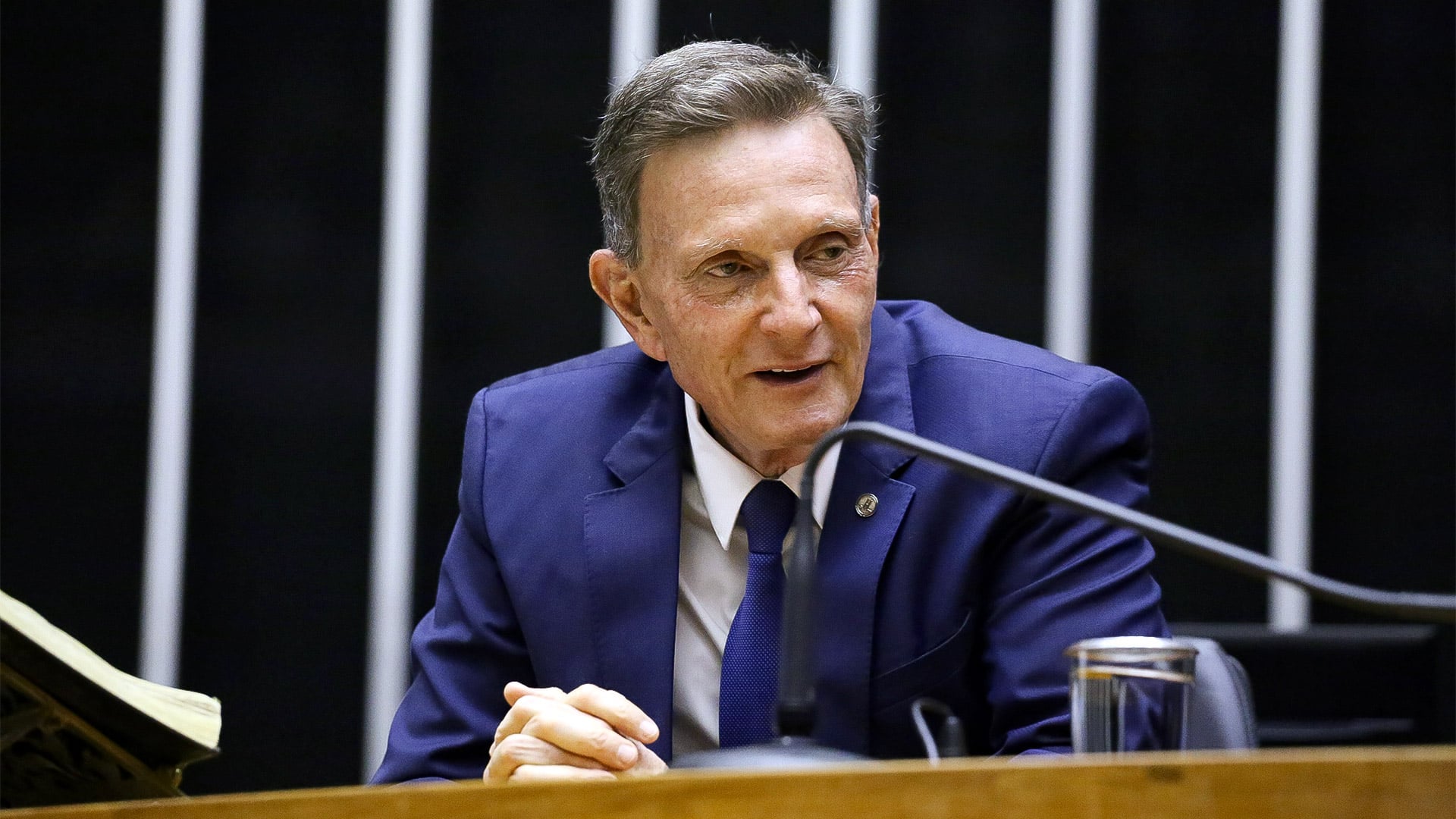
PL 219/2026 – Compulsory exclusion of players
Of Marcelo Crivella.
Create mandatory deletion by medical/psychological report for cases of gambling disorder, with a minimum absence of 12 months. The health agenda is legitimate, but the debate is how to implement without pushing the user into the illegal market.
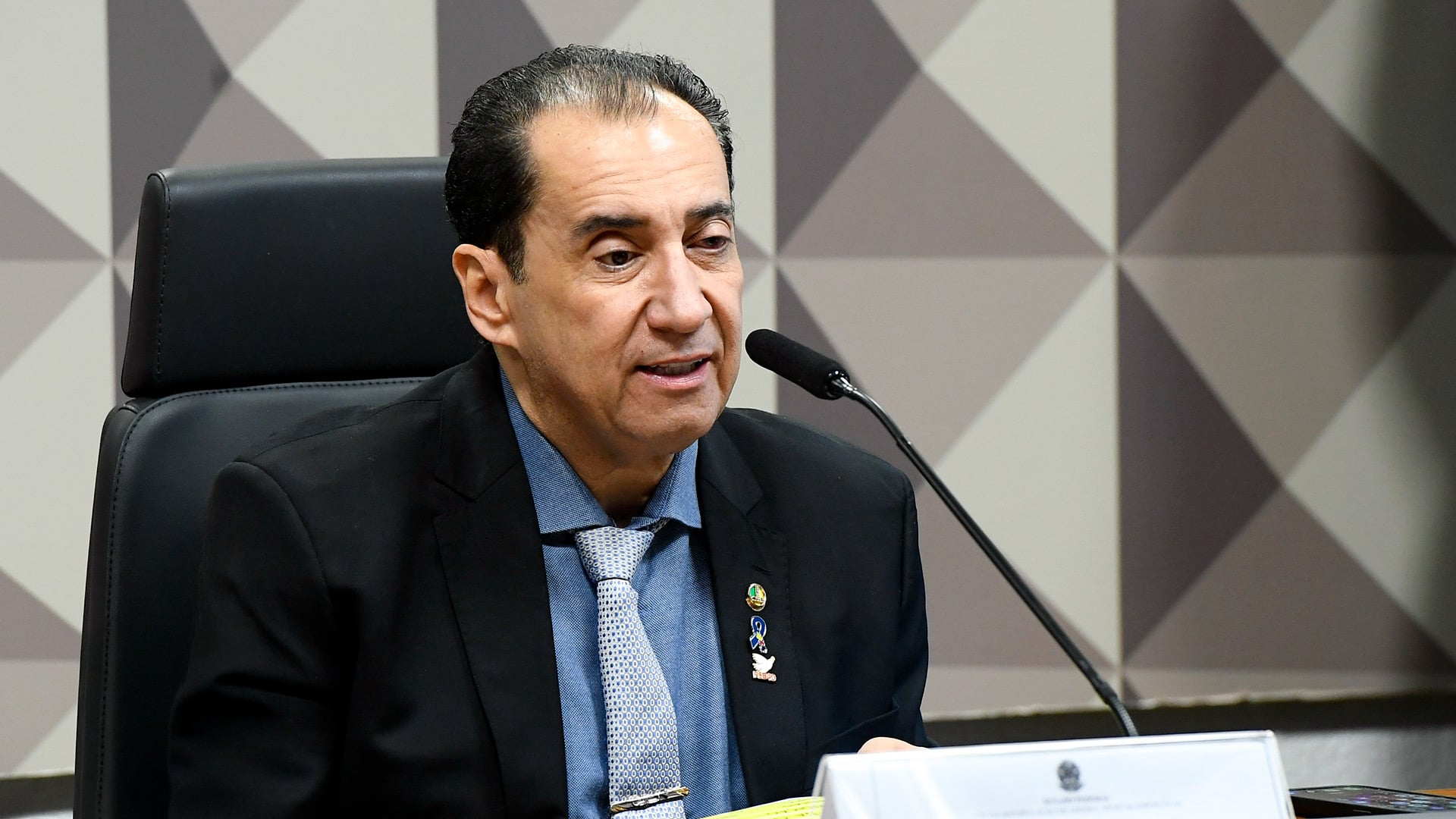
PL 4,542/2025 – Spending ceiling and constant alerts
From the senator Jorge Kajuru.
Proposes limits per round (R$10 for 18–24; R$25 for 25+) and frequent alerts during the game. Well-intentioned on paper, but with a high risk of bureaucratize the experience and reduce the competitiveness of the regulated operator.
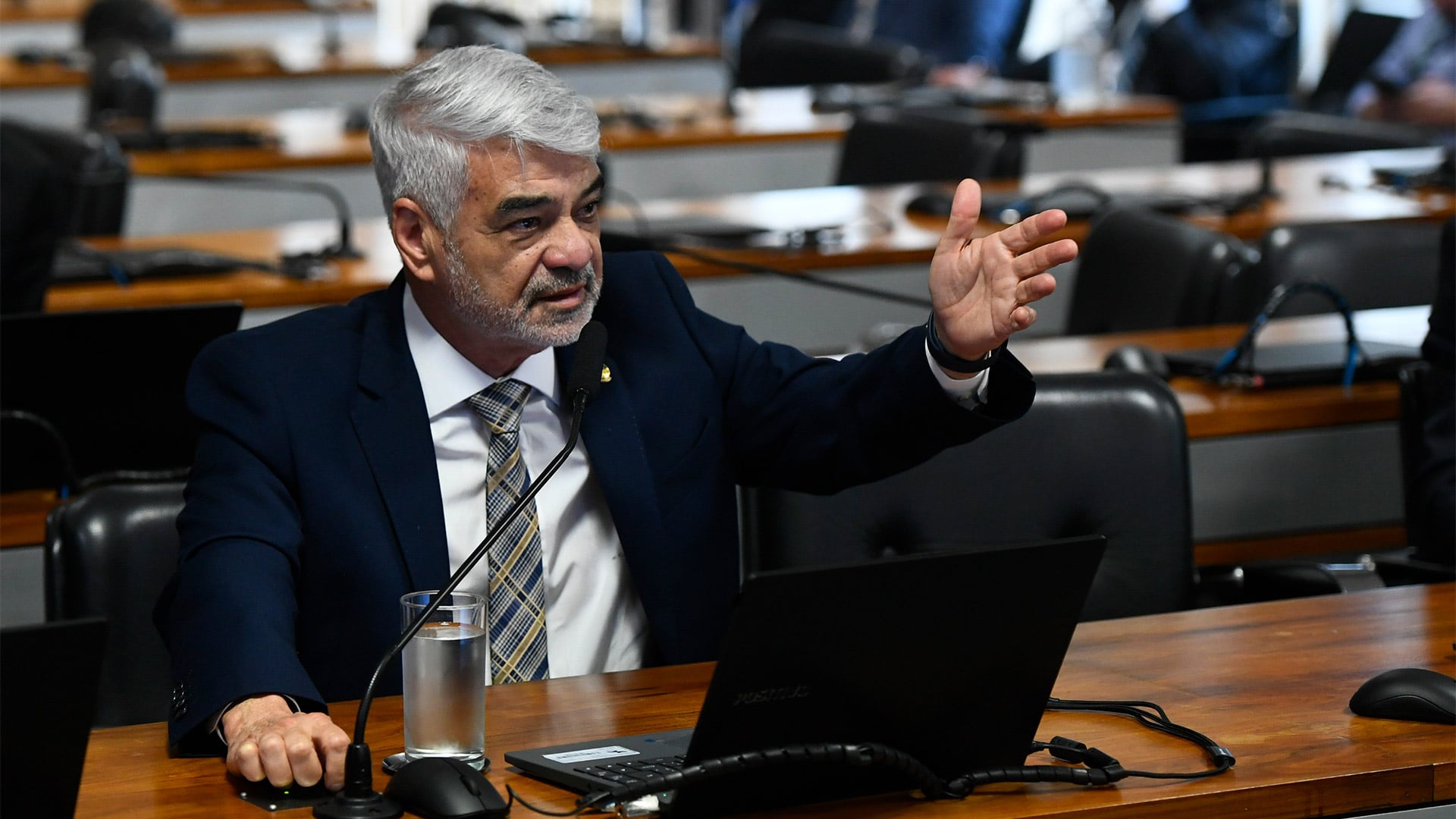
PL 3,754/2025 – Minimum age 21+ and sponsorships prohibited
Of Humberto Costa.
Raises the minimum age for 21 years and restricts advertising (only 10pm–6am), in addition to ban sponsorships at sporting and cultural events open to the public. It is one of the most restrictive of the package.
The blind spot: strong regulation vs. illegal market
There is a clear contradiction here: Squeezing the regulated market too much doesn’t kill demand — it just moves it outside the law.
If Pix, advertising and sponsorships become the villains of the day, the one who wins is the clandestine operator (no KYC, no compliance, no responsible gaming).
Election, easy speech and the “villainization” of bets
In an election year, hitting a bet becomes political shortcut:
- is a popular topic;
- generates clicks;
- gives an image of “citizen defense”.
But the same Congress that regulated the sector is now trying to retell the story as if the regulation had been a mistake. This is where the hypocrisy lies: use bets as a scapegoat for complex problems (financial education, mental health, supervision) it provides a stage, but does not solve the real game.
What to watch out for from now on
- If the projects will be unified (which greatly changes the final impact);
- If the Chamber will harden or soften what came from the Senate;
- How the Ministry of Finance and regulators will react to protect the legal market without giving in to abuse.
Direct summary: 2026 should be the year of political noise against betting. The risk is to transform regulation into symbolic punishment — good for speech, bad for the integrity of the market and for the consumer who ends up being pushed towards the illegal.
Fonte: Gaming365 – Brasil