
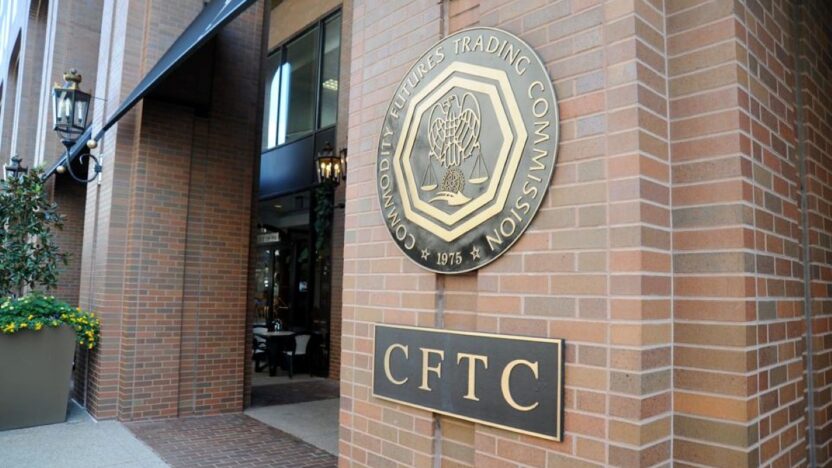
THE Commodity Futures Trading Commission (CFTC) decided to formally intervene in a dispute in the US to defend its authority over so-called “prediction markets” — platforms that allow you to negotiate contracts based on future events (including sporting events). The case involves the state of Nevada and the crypto.com, which was ordered to suspend local operations on charges of offering unlicensed sports betting.
For the Brazilian iGaming and betting marketthe topic matters because it discusses who regulates what when financial products start to look like gambling. It’s a debate that tends to appear here as hybrid models emerge (fintech + “events”) and new forms of engagement with sporting results.
What’s at stake in the US
- The CFTC stepped in as amicus curiae (friend of the court) in Non the Circuit of Appeals to maintain that event contracts They are financial instruments regulated at the federal level.
- Nevada understands that when these contracts tie into sports, saw sports betting and must follow state gaming regulations.
- The CFTC says it has been regulating event contracts for decades and that allowing states to bar these products could fragment the market and stifle financial innovation.
Why does this matter to Brazil
- Regulatory precedent: if the USA consolidates that prediction markets are not “bets”, space will be opened for models parallel to traditional betting. This puts pressure on regulators to define clear boundaries.
- Regulatory arbitrage risk: companies can seek the “easiest framework” (financial vs. gambling), something that Brazil needs to avoid with objective rules.
- Integrity and consumer protection: When “financial” products replicate game dynamics, gaps emerge in responsible advertising, KYC and manipulation prevention.
Who else is on regulators’ radar
In addition to Crypto.com, state authorities have already questioned platforms such as Kalshi, Robinhood and Coinbase. The discussion is whether these products should follow the same integrity rules applied to betting houses when it comes to sports.
Practical reading for the Brazilian regulator
- Clear product definition: what is a bet, what is a derivative and what is a “prediction market”.
- Same safeguards when the effect is the same: if the risk to the consumer and to sporting integrity is similar, the requirements should be as well.
- Coordination between agencies: avoid gray areas between financial and gaming regulation.
In summary
The clash between the CFTC and Nevada is a framework on regulatory limits in products that mix finance and betting. For Brazil, the message is straightforward: anticipate definitions, close loopholes and align integrity + consumer protection before these models arrive with force here.
Fonte: Gaming365 – Brasil