
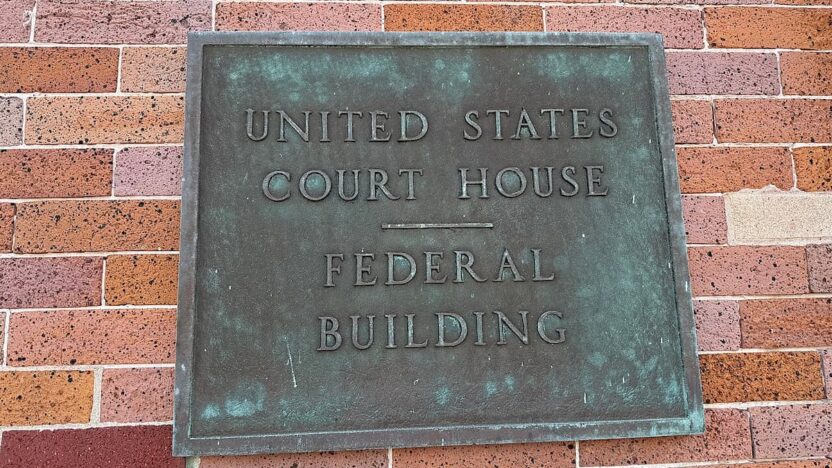
A federal court in Tennessee ruled in favor of Kalshi, an American prediction marketsand reinforced the legal divide in the United States over the legality of sporting event contractsa model that many compare to sports betting.
The decision represents a new chapter in the conflict between prediction market platforms and state betting regulatorsa topic that directly impacts the global debate about what sports betting, financial derivatives and the prediction market are — an increasingly relevant subject also for the Brazilian iGaming and betting market.
Understand the case: what Kalshi is and why it matters
Kalshi operates a regulated prediction market in the USwhere users negotiate contracts based on future events such as politics, economics and, more recently, sporting event results.
The central discussion is:
👉 these contracts are sports betting (and should follow state gaming laws) or are financial derivatives (“swaps”)regulated at the federal level?
This difference is crucial because, if financial swaps are considered, the company would be under the supervision of the Commodity Futures Trading Commission (CFTC) — and not from state gaming commissions.
What the Tennessee Court Decided
The federal judge Aleta A. Traugerof the U.S. District Court in Tennessee, granted a injunction in favor of Kalshisuspending the state’s attempt to block the platform from offering sports contracts.
In the decision, the judge understood that:
- Kalshi’s contracts can be classified as “swaps” by federal legislation (Commodity Exchange Act – CEA)
- A “sports result” can also be considered a event
- Federal law tends to prevail over state regulation of sports betting in this case
As a result, Tennessee is temporarily prevented from blocking Kalshi’s operations in the state.
Why this creates division among US courts
Tennessee’s decision goes into opposite direction from other important courts:
📍 Nevada
In Nevada, the Court ruled that:
- Game result is not an “event”then
- Kalshi Sports Contracts are not financial swaps
- Therefore, they are subject to state betting laws
📍 Maryland
The court even provisionally admitted that the contracts could be swaps, but concluded that:
- The federal law does not automatically cancel state gaming laws
- States continue to have the power to regulate sports betting
📍 Massachusetts
The state court determined that Kalshi:
- Cannot offer sports contracts without a betting license
- Strengthening local power over this type of operation
Why this is relevant to the Brazilian betting market
This legal clash in the USA anticipates debates that Brazil will inevitably facelike:
- Difference between traditional sports betting and prediction markets
- Limits between financial regulation and gaming regulation
- Risks of regulatory “grey zones”
- Consumer protection in new event-based betting formats
With the regulation of the Brazilian betting and iGaming market underway, decisions like this show how new product models can put pressure on the regulator and demand more modern legal interpretations.
Next step: the issue could reach the US Supreme Court
With conflicting decisions in Tennessee, Nevada and Maryland, the chance of the case reaching Supreme Court of the United States.
If this happens, the trial may:
- Definitively define whether sports contracts in prediction markets are bets or derivatives
- Creating a global precedent for the iGaming sector
- Influence regulations in emerging markets, such as Brazil
Quick summary
- Kalshi won in Tennessee and can continue offering sports contracts
- Other American states are blocking this model
- US courts are divided
- The theme mixes betting, finance and federal regulation
- The outcome could influence the future of iGaming and betting around the world
Fonte: Gaming365 – Brasil