

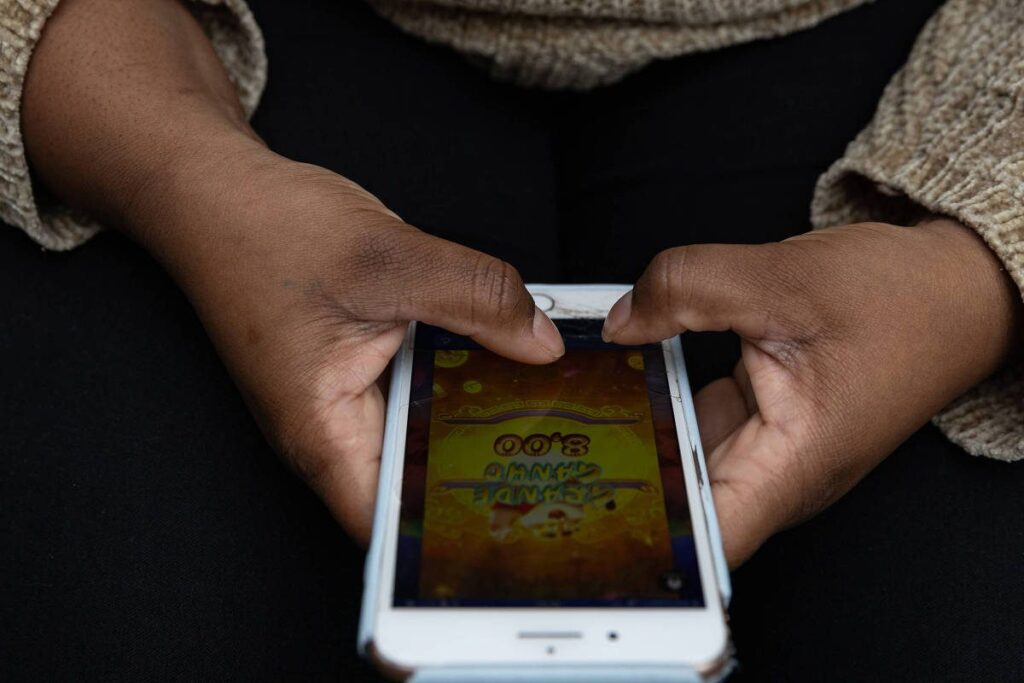
THE Google removed from the Play Store an illegal online casino app that operated under the guise of gaming entertainment. The app, called Tiger Drop, promoted real money betting and had already been downloaded more than 500,000 times before its removal.
In a note to the website Big Tech RadarGoogle stated that it “removes applications that violate its policies or Brazilian legislation” and that any user can report irregularities through official channels. Since June 2025, the company has allowed the presence of legalized betting applications in its store. Apple still bans this type of service from the App Store.
“When we identify apps that violate our policies or are not authorized by Brazilian law, we act by removing them from the store. Any user can report violations through our official channels,” said Google.

The platform promoted betting with real money without authorization from the Prizes and Betting Secretariat (SPA) of the Ministry of Finance. Despite the exclusion of Tiger Drop, dozens of other similar games remain available.
According to Big Tech Radar, there are 162 apps that emulate casinos on Google Play and another 15 on Apple’s App Store. Many of these programs operate on the border of legality — known as “social casinos” or “sweeptakes” —, allow purchases of virtual currencies and create parallel systems that make it possible to convert winnings into cash or cryptocurrencies.
In Brazil, these formats do not have a clear legal definition. A 2024 decree linked sweeptakes to the SPA, but without mandatory registration. In the United States, the model is permitted as long as it offers a free version of the games and keeps virtual currencies separate from financial rewards.
Billionaire illegal market
According to SPA’s Undersecretary of Monitoring and Inspection, Fábio Augusto Macorin, illegal betting poses risks such as fraud, leakage of personal data and lack of consumer support.
Research by Instituto Locomotiva shows that 8 out of 10 players have difficulty differentiating legal platforms from illegal ones. Three in four have already bet on irregular websites or applications — especially among young people and low-income people.
According to data from consultancy LCA Consultores, the illegal betting market generates between R$26 billion and R$40 billion per year, equivalent to up to half of the sector in the country. The estimate is that the government will no longer collect R$7.2 billion to R$10.8 billion in taxes annually.
Fonte: Gaming365 – Brasil